Strike the Box Training
Instructing at the
Lt. Brad Hutcherson Memorial Fire School
November 8, 2014
Check out http://www.ltbhmfs.org/
Strike the Box Training
Instructing at the
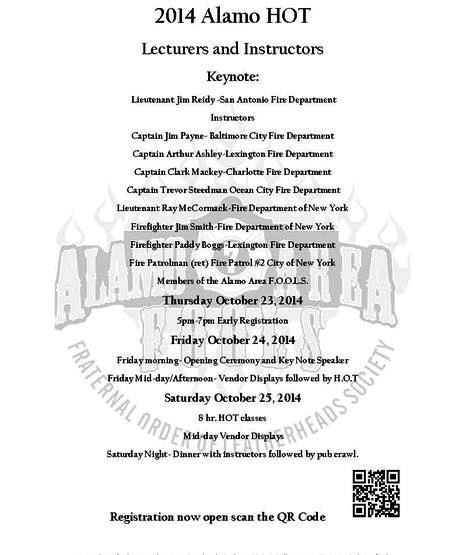
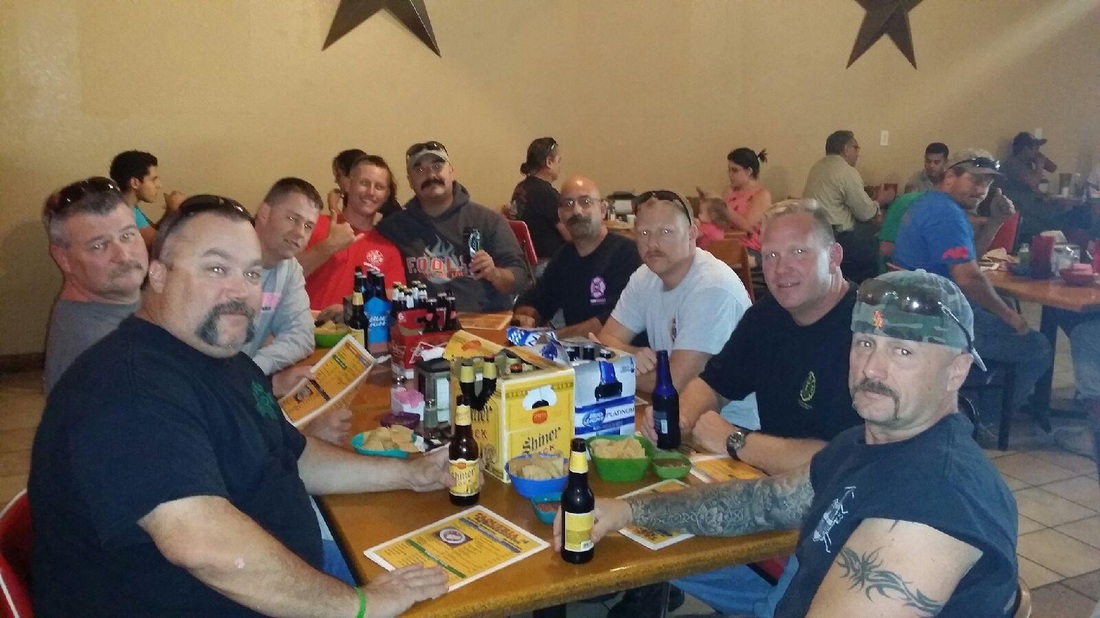
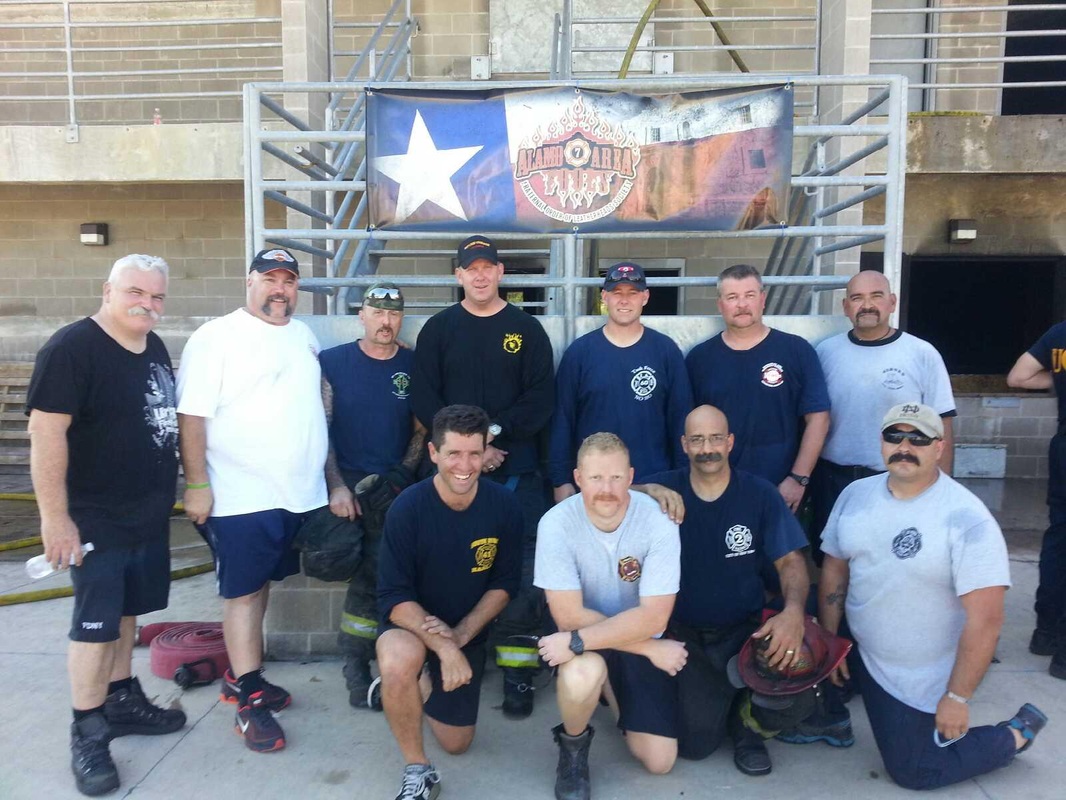
Alamo Area FOOLS HOT
October 23-25, 2014
San Antonio, TX
"Mayday Mayday Mayday" : The art of saving ourselves
This class will cover various drags, carries, high point rescue, and airway management of a downed firefighter. Members will be tasked with performing many Firefighter removals with the use of tools that are carried by the firefighter in the building during the initial firefighting drive. Firefighters will also perform various entanglement drills to reinforce the skills needed not only to reinforce the proper techniques of disentanglement but when to call for the much needed MAYDAY. This Course is a MUST for all firefighters.
- Captain James "Jimmy" Payne - Baltimore City Fire Department
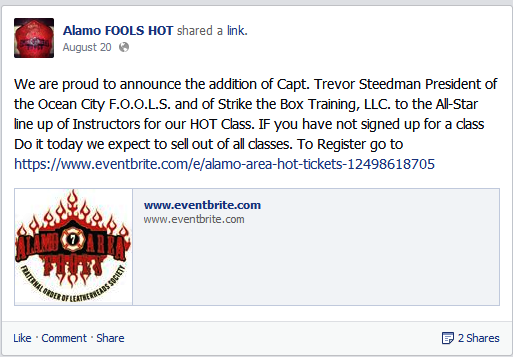
- Captain Trevor Steedman - Ocean City Fire Department
- Fire Patrolman (Ret.) - Anthony Emanuele - New York City Fire Patrol #2
Click on the links below for more info on this awesome training opportunity!
http://www.alamofools.com/2014-alamo-hot.html
https://www.facebook.com/pages/Alamo-FOOLS-HOT/1419988748225843
http://www.alamofools.com/2014-alamo-hot.html
https://www.facebook.com/pages/Alamo-FOOLS-HOT/1419988748225843
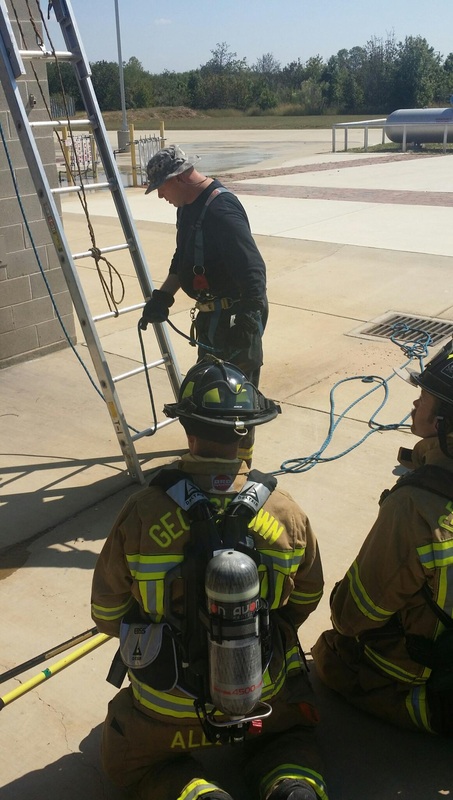
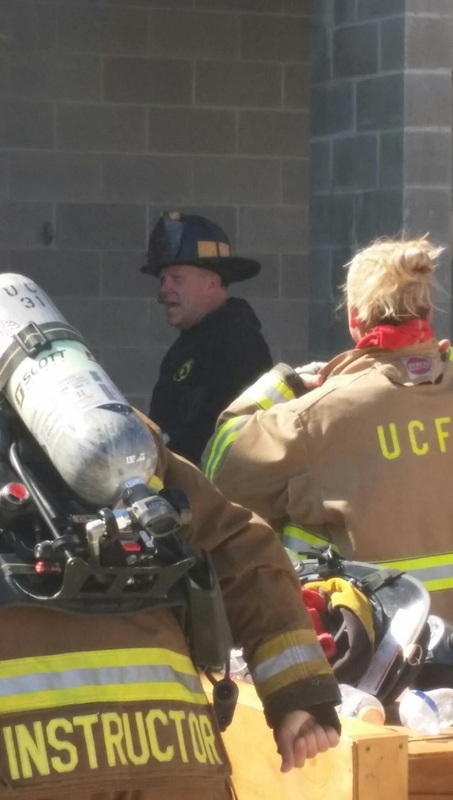
Strike the Box Training at Wichita HOT 2014
|
Strike the Box Training is honored to return to Wichita, Kansas to teach at one of the Nations premier Hands-On Fire Training & Education conferences.
September 27-28 2014 Keynote Speaker: Bobby Halton Strike the Box Training Instructors will be presenting: SCBA BOOTCAMP (Hands-On-Training) & FIRST-IN, FIRST-FIVE (Classroom - Officer Development Series) Click on the links below for updates and registration!!! https://www.facebook.com/pages/Wichita-HOT/146805382017284 www.wichitahot.com |
|
|
Strike the Box Training and Brotherhood Above All Training Innovations want to say "Thank YOU" to the Staff and Participants of the 2014 Metro Atlanta Fire Fighters Conference. We had a great time sharing our experience with our Brother & Sister Firefighters from Georgia, Florida and others from throughout the region.
Rapid Intervention Teams & Firefighter Survival Captain Jimmy Payne - Baltimore City FD Captain Trevor Steedman - Ocean City FD Battalion Chief Chuck Amason - Gwinnett Co. FD, GA Friday May 16, 2014 0800-1700. |

|
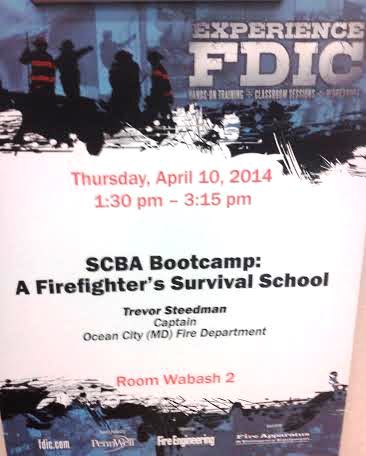
THANK YOU to all of my Brother & Sister Firefighters who traveled to Indy for FDIC 2014 and chose to spend a part of their valuable time during the week to attend SCBA Bootcamp: A Firefighter's Survival School. It was great to see so many of my Brothers & Sisters that I've known for years from all over the country, those that I had just met that week, and others that I had the opportunity to meet the day of the class. We received a lot of great feedback and constructive ideas that will help make this class even better in the future. Thanks to those who came to the classes with open minds and a willingness to learn and grown in our profession.
Strike the Box Training is also very grateful to Pennwell/Fire Engineering for granting us an opportunity to share the valuable information of this program with such a wide and diverse audience. Thanks also to the Brothers from Wichita FOOLS and Wichita HOT for their continued support over the years and for having us instruct this class and others at Wichita HOT.
Traditionally, we conduct the full SCBA Bootcamp course in a blended format that incorporates a brief "Hands-On Classroom" session in which the participants become intimately familiar with the SCBA unit while learning/practicing good Air Management Techniques. Then, its off to the drill ground for either a 4-hour, 8-hour or Weekend-Long HOT Class (Classes are tailored to fit the specific needs of the department and are conducted as a Train-the-Firefighter or Train-the-Trainer
fomat). The course physically and mentally challenges the participants and builds mask confidence while sharpening and instilling SCBA Survival Skills through the STBT Continuum of Survival. It would be our pleasure to bring this program to your Department. We look forward to working with you and providing some tools and techniques to help you create a long-standing, quality SCBA training and re-certification program for your Firefighters! Please call or email with any questions (Phone: 443-944-4911 Email: [email protected] ) ...and Thanks for your dedication to the job!
- Trevor Steedman
Strike the Box Training is also very grateful to Pennwell/Fire Engineering for granting us an opportunity to share the valuable information of this program with such a wide and diverse audience. Thanks also to the Brothers from Wichita FOOLS and Wichita HOT for their continued support over the years and for having us instruct this class and others at Wichita HOT.
Traditionally, we conduct the full SCBA Bootcamp course in a blended format that incorporates a brief "Hands-On Classroom" session in which the participants become intimately familiar with the SCBA unit while learning/practicing good Air Management Techniques. Then, its off to the drill ground for either a 4-hour, 8-hour or Weekend-Long HOT Class (Classes are tailored to fit the specific needs of the department and are conducted as a Train-the-Firefighter or Train-the-Trainer
fomat). The course physically and mentally challenges the participants and builds mask confidence while sharpening and instilling SCBA Survival Skills through the STBT Continuum of Survival. It would be our pleasure to bring this program to your Department. We look forward to working with you and providing some tools and techniques to help you create a long-standing, quality SCBA training and re-certification program for your Firefighters! Please call or email with any questions (Phone: 443-944-4911 Email: [email protected] ) ...and Thanks for your dedication to the job!
- Trevor Steedman
Strike the Box Training is selected again
by
Fire Engineering to instruct at FDIC 2014
April 7-12, 2014
Indiana Convention Center / Lucas Oil Stadium
Indianapolis, Indiana
Strike The Box Training is proud to be among the few finalists selected from approximately 800 programs that were submitted to Fire Engineering for FDIC 2014.
STBT's Trevor Steedman is returning as a featured classroom session instructor/speaker, presenting STBT's original program:
"SCBA Bootcamp: A Firefighter's Survival School".
Thursday April 10, 2014
13:30 - 15:15
Room: Wabash 2 ballroom (along the Maryland Street side of the Indiana Convention Center)
CONGRATULATIONS to all of our Brothers & Sisters who have been selected to teach at the World's largest and most prestigious Firefighter Training Conference! We are honored to be included among such an elite, accomplished and respected group of Fire Service Educators & Instructors! Looking forward to seeing you there!!!
Strike The Box Training is proud to again be teaching at FDIC! We're looking forward to a great week of training and brotherhood with our friends, colleagues, and fellow instructors. One of the great traditions of FDIC is the phenomenal training you receive during the day followed by the networking opportunities and training discussions that take place outside the classroom and drill ground in the evenings. Instructors and students alike uphold the bonds of brotherhood and gather at some of the customary places and events that have become a cornerstone of our FDIC tradition. Look for us at the Indiana Convention Center /Lucas Oil Stadium throughout the week and at the following places and gatherings after your training days:
Monday April 7 - Bucca Di Beppo
Tuesday April 8 - St Elmo
Wednesday April 9 - Indy Metro FOOLS - Rally in the Alley
Thursday April 10 - National Fallen Firefighter's Foundation - Stop, Drop & Rock n Roll
Friday April 11 - IAFF Local 416 15th Annual FDIC Open House - 748 Massachusetts Ave
The Claddagh, Ike & Jonsey's, Steak n Shake and other fine downtown establishments
Hope to see you there!!!
STBT's Trevor Steedman is returning as a featured classroom session instructor/speaker, presenting STBT's original program:
"SCBA Bootcamp: A Firefighter's Survival School".
Thursday April 10, 2014
13:30 - 15:15
Room: Wabash 2 ballroom (along the Maryland Street side of the Indiana Convention Center)
CONGRATULATIONS to all of our Brothers & Sisters who have been selected to teach at the World's largest and most prestigious Firefighter Training Conference! We are honored to be included among such an elite, accomplished and respected group of Fire Service Educators & Instructors! Looking forward to seeing you there!!!
Strike The Box Training is proud to again be teaching at FDIC! We're looking forward to a great week of training and brotherhood with our friends, colleagues, and fellow instructors. One of the great traditions of FDIC is the phenomenal training you receive during the day followed by the networking opportunities and training discussions that take place outside the classroom and drill ground in the evenings. Instructors and students alike uphold the bonds of brotherhood and gather at some of the customary places and events that have become a cornerstone of our FDIC tradition. Look for us at the Indiana Convention Center /Lucas Oil Stadium throughout the week and at the following places and gatherings after your training days:
Monday April 7 - Bucca Di Beppo
Tuesday April 8 - St Elmo
Wednesday April 9 - Indy Metro FOOLS - Rally in the Alley
Thursday April 10 - National Fallen Firefighter's Foundation - Stop, Drop & Rock n Roll
Friday April 11 - IAFF Local 416 15th Annual FDIC Open House - 748 Massachusetts Ave
The Claddagh, Ike & Jonsey's, Steak n Shake and other fine downtown establishments
Hope to see you there!!!
First -In, First Five Company Operations drill held at Bethany Beach VFC
Chief Brian Martin, the Officers and Members of the BBVFC invited Strike the Box Training to their Headquarters station to conduct the company drill on Monday August 26, 2013. First-In, SOP-driven Company Operations were reviewed and discussed. A variety of key strategies and tactical functions were reinforced that coincided with Arrival Priorities, Command & Control, Water supply / Suppression, Operational Modes, Search & Rescue, Ventilation, Mayday / RIT, Accountability, Radio Procedures, Building Construction and unique considerations specific to Bethany Beach VFC's First Due and surrounding service areas. BBVFC's organizational pride is evident by the effort they invest in training and educating their Firefighters to provide the best possible service. Keep up the great work!
THANK YOU!!!
THANK YOU to all of my Brother & Sister Firefighters who traveled to Indy for FDIC and chose to spend a part of their valuable time during the week to attend SCBA Bootcamp: A Firefighter's Survival School. It was great to see so many of my Brothers & Sisters that I've known for years from all over the country, those that I had just met that week, and others that I had the opportunity to meet the day of the class. We received a lot of great feedback and constructive ideas that will help make this class even better in the future.
Strike the Box Training is also very grateful to Pennwell/Fire Engineering for granting us an opportunity to share the valuable information of this program with such a wide and diverse audience. Thanks also to the Brothers from Wichita FOOLS and Wichita HOT for their continued support over the years and for having us instruct this class and others at Wichita HOT.
Traditionally, we conduct the full SCBA Bootcamp course in a blended format that incorporates a brief "Hands-On Classroom" session in which the participants become intimately familiar with the SCBA unit while learning/practicing good Air Management Techniques. Then, its off to the drill ground for either a 4-hour, 8-hour or Weekend-Long HOT Class (Classes are tailored to fit the specific needs of the department and are conducted as a Train-the-Firefighter or Train-the-Trainer
fomat). The course physically and mentally challenges the participants and builds mask confidence while sharpening and instilling SCBA Survival Skills through the STBT Continuum of Survival. It would be our pleasure to bring this program to your Department. We look forward to working with you and providing some tools and techniques to help you create a long-standing, quality SCBA training and re-certification program for your Firefighters! Please call or email with any questions (Phone: 443-944-4911 Email: [email protected] ) ...and Thanks for your dedication to the job!
- Trevor Steedman
Strike the Box Training is also very grateful to Pennwell/Fire Engineering for granting us an opportunity to share the valuable information of this program with such a wide and diverse audience. Thanks also to the Brothers from Wichita FOOLS and Wichita HOT for their continued support over the years and for having us instruct this class and others at Wichita HOT.
Traditionally, we conduct the full SCBA Bootcamp course in a blended format that incorporates a brief "Hands-On Classroom" session in which the participants become intimately familiar with the SCBA unit while learning/practicing good Air Management Techniques. Then, its off to the drill ground for either a 4-hour, 8-hour or Weekend-Long HOT Class (Classes are tailored to fit the specific needs of the department and are conducted as a Train-the-Firefighter or Train-the-Trainer
fomat). The course physically and mentally challenges the participants and builds mask confidence while sharpening and instilling SCBA Survival Skills through the STBT Continuum of Survival. It would be our pleasure to bring this program to your Department. We look forward to working with you and providing some tools and techniques to help you create a long-standing, quality SCBA training and re-certification program for your Firefighters! Please call or email with any questions (Phone: 443-944-4911 Email: [email protected] ) ...and Thanks for your dedication to the job!
- Trevor Steedman
STBT conducts SCBA/Mayday Drill for the Frankford (DE) VFC
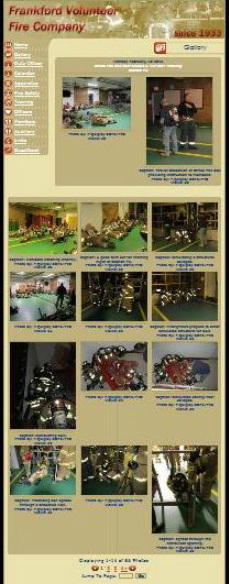
Monday February, 18 2013
Strike The Box Self-Rescue & MAYDAY Training
Station 76
On Monday 2-18-2013 members of the Frankford
Volunteer Fire Company were delighted to have Strike The Box Training at Station
76 for Self-Rescue & MAYDAY Training. Fortunately, none of our current
members has been in a self-rescue situation or circumstances warranting a
MAYDAY. We quickly realized however this blessing was also a curse as we
practiced issuing a MAYDAY and activating our PASS alarms. This was an
exceptional training opportunity and we want to thank the instructors of Strike
The Box Training for sharing their experiences and expertise with our members.
by Patrick J. Quigley, Safety Officer/PIO - Frankford VFC
click on the picture link to the left or visit www.frankfordfire.com for more photos and details.
Thank you to Chief Holland and the Frankford VFC for inviting Strike the Box Training to Station 76!
Strike The Box Self-Rescue & MAYDAY Training
Station 76
On Monday 2-18-2013 members of the Frankford
Volunteer Fire Company were delighted to have Strike The Box Training at Station
76 for Self-Rescue & MAYDAY Training. Fortunately, none of our current
members has been in a self-rescue situation or circumstances warranting a
MAYDAY. We quickly realized however this blessing was also a curse as we
practiced issuing a MAYDAY and activating our PASS alarms. This was an
exceptional training opportunity and we want to thank the instructors of Strike
The Box Training for sharing their experiences and expertise with our members.
by Patrick J. Quigley, Safety Officer/PIO - Frankford VFC
click on the picture link to the left or visit www.frankfordfire.com for more photos and details.
Thank you to Chief Holland and the Frankford VFC for inviting Strike the Box Training to Station 76!
First-In, First Five Officer Development Program hosted by Bethany Beach VFD
Thank You to the Officers and Members of the Bethany Beach (Delaware) VFD for inviting Strike the Box Training to Station 70 to conduct the company drill on December 30, 2013. First-In, First Five was presented which illustrates and explores the tactical decisions and actions of the first-in Engine Company officer within the critical minutes following their arrival to an incident. SOP-driven Company Operations were reviewed and discussed. A variety of key strategies and tactical functions were reinforced that coincided with Arrival Priorities, Command & Control, Water supply / Suppression, Operational Modes, Search & Rescue, Ventilation, Mayday / RIT, Accountability, Radio Procedures, Building Construction and unique considerations specific to Bethany Beach VFD's First Due and surrounding service areas. BBVFD's organizational pride is evident by the effort they invest in training and educating their Firefighters to provide the best possible service. Keep up the great work!
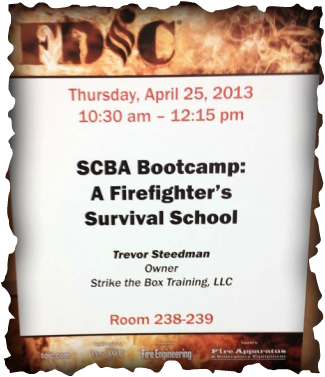
Strike The Box Training selected as Instructor/Speaker at FDIC 2013!
Strike The Box Training is proud to be among the few finalists selected from approximately 800 programs that were submitted to Fire Engineering for FDIC 2013. STBT's Trevor Steedman will be a featured classroom session instructor/speaker at FDIC 2013...
Course: SCBA Bootcamp: A Firefighters Survival School
Date/Time: Thursday, April 25th from 10:30-12:15
Location: Indiana Convention Center/Lucas Oil Stadium
(Room # 238-239)
Looking forward to seeing you there!!!
http://www.fdic.com/content/dam/fdic/documents/2013/2013IndyClassroomTimeSlots.pdf
page 25/52
Course: SCBA Bootcamp: A Firefighters Survival School
Date/Time: Thursday, April 25th from 10:30-12:15
Location: Indiana Convention Center/Lucas Oil Stadium
(Room # 238-239)
Looking forward to seeing you there!!!
http://www.fdic.com/content/dam/fdic/documents/2013/2013IndyClassroomTimeSlots.pdf
page 25/52
April 15-21, 2012
Strike The Box Training is again attending the FDIC Conference in Indianapolis. We're looking forward to a great week of training and brotherhood with our friends, colleagues, and fellow instructors. Look for us throughout the week and at the following places and gatherings:
Monday April 16 - Bucca Di Beppo
Tuesday April 17 - St Elmo
Wednesday April 18 - Indy Metro FOOLS - Rally in the Alley
Thursday April 19 - National Fallen Firefighter's Foundation - Stop, Drop & Rock n Roll
Friday April 20 - IAFF Local 416 14th Annual FDIC Open House - 748 Massachusetts Ave
The Claddagh, Ike & Jonsey's, Steak n Shake and other fine downtown establishments
Hope to see you there!!!
Monday April 16 - Bucca Di Beppo
Tuesday April 17 - St Elmo
Wednesday April 18 - Indy Metro FOOLS - Rally in the Alley
Thursday April 19 - National Fallen Firefighter's Foundation - Stop, Drop & Rock n Roll
Friday April 20 - IAFF Local 416 14th Annual FDIC Open House - 748 Massachusetts Ave
The Claddagh, Ike & Jonsey's, Steak n Shake and other fine downtown establishments
Hope to see you there!!!
THANK YOU Wichita Fire Dept. & FOOLS of OZ for a phenomenal WICHITA HOT 2011!
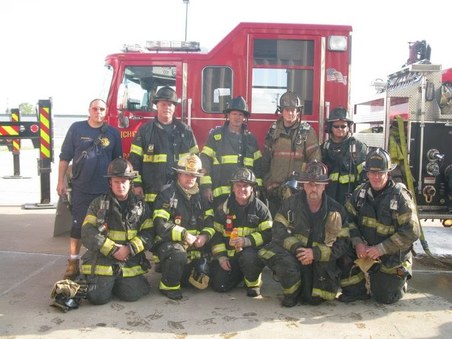
TRUCK CO. OPERATIONS INSTRUCTORS
STB Training again had the honor and privilege of instructing at the annual Wichita HOT held September 16 - 18, 2011 in Wichita, Kansas. This annual training symposium features lecture and Hands-On training opportunities presented by instructors from all over the U.S. including the best and brightest from Wichita FD and the FOOLS of OZ.
STB Training was given the honor of presenting our SCBA Survival School lecture and joining our brothers from Wichita in instructing the Hands-On Truck Company Operations. For those of you who remember the old days of FDIC, Wichita HOT is reminescent of that type and caliber of training - firefighters learning from firefighters.
THANK YOU to all of our Brothers in Wichita for the Brotherhood, hospitality and the opportunity to share information and experience with our brother and sister firefighters!
Coming Soon...Wichita HOT 2011 photo gallery...and..."Top-10 things we learned at Wichita HOT"
STB Training was given the honor of presenting our SCBA Survival School lecture and joining our brothers from Wichita in instructing the Hands-On Truck Company Operations. For those of you who remember the old days of FDIC, Wichita HOT is reminescent of that type and caliber of training - firefighters learning from firefighters.
THANK YOU to all of our Brothers in Wichita for the Brotherhood, hospitality and the opportunity to share information and experience with our brother and sister firefighters!
Coming Soon...Wichita HOT 2011 photo gallery...and..."Top-10 things we learned at Wichita HOT"
|
|
Top-10 things we learned in Wichita
10. BBQ is considered a food group
9. Gary, Indiana has great surfing and a yacht club
8. Something that sounds dirty, but isn't: C.R. Cox
7. Wings and gizzards aren't just for breakfast anymore
6. If you see a tornado on the ground, check for level of concern on local's faces before reacting
5. If you see a wad of hair on the ground, check for girl-fight in progress before asking, "Who lost their weave?"
4. VES Works!!! Even in Wichita. (Job well done Brothers!!!)
3. NEVER get an adjoining room next to Jimmy
2. If you upgrade your seats to business class, pretend like you've been there before by referring to the people walking past you to coach as the "Poverty Parade" ( as you sip your complimentary boarding cocktail).
...and the #1 thing we learned in Wichita:
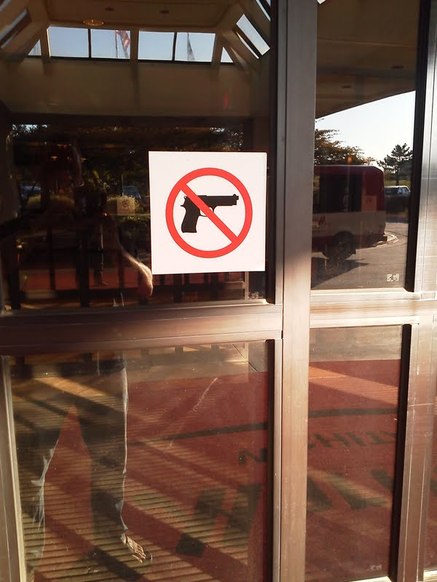
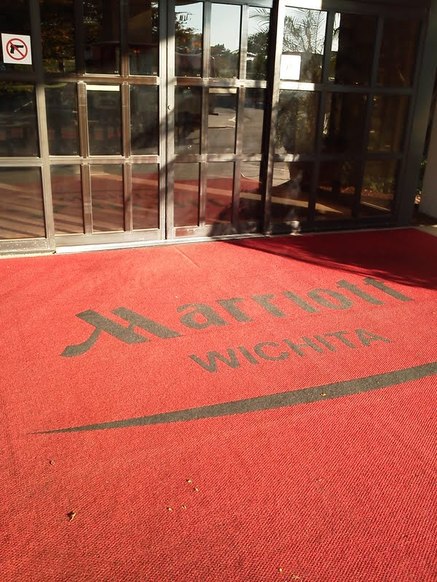
"Gat-Friendly" hotels are not a search option on travel websites...(leave the gats, heaters, tech-9's, straps , 4-pounda's, Nina's, Pieces , Caps and AK's at home)
9. Gary, Indiana has great surfing and a yacht club
8. Something that sounds dirty, but isn't: C.R. Cox
7. Wings and gizzards aren't just for breakfast anymore
6. If you see a tornado on the ground, check for level of concern on local's faces before reacting
5. If you see a wad of hair on the ground, check for girl-fight in progress before asking, "Who lost their weave?"
4. VES Works!!! Even in Wichita. (Job well done Brothers!!!)
3. NEVER get an adjoining room next to Jimmy
2. If you upgrade your seats to business class, pretend like you've been there before by referring to the people walking past you to coach as the "Poverty Parade" ( as you sip your complimentary boarding cocktail).
...and the #1 thing we learned in Wichita:
"Gat-Friendly" hotels are not a search option on travel websites...(leave the gats, heaters, tech-9's, straps , 4-pounda's, Nina's, Pieces , Caps and AK's at home)
STB Training headed to Kansas for Wichita HOT 2011
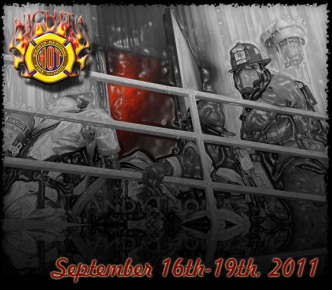
Strike The Box Training Instructors will again be heading to the mid-west this September to teach at Wichita HOT 2011. A partnership between the Wichita Metro Area FOOLS of OZ and the Wichita FD has culminated in this premier annual Fire Service training event. Wichita HOT brings together Instructors and firefighters from all around the country. In addition providing a great weekend of combined classroom and Hands-On-Training, Wichita HOT promotes professional networking and provides many opportunities to enjoy the Brotherhood and Traditions of the Fire Service.
STB Training is proud to be invited back to teach "SCBA Bootcamp - a Breathing Apparatus Survival School" at Wichita HOT 2011.
For more information about Wichita HOT, please find them on Facebook or visit www.wichitahot.com
STB Training is proud to be invited back to teach "SCBA Bootcamp - a Breathing Apparatus Survival School" at Wichita HOT 2011.
For more information about Wichita HOT, please find them on Facebook or visit www.wichitahot.com
Salisbury Fire Department & Salisbury Firefighter's Local 4246 hosting Regional Fire School - June 4 & 5 2011
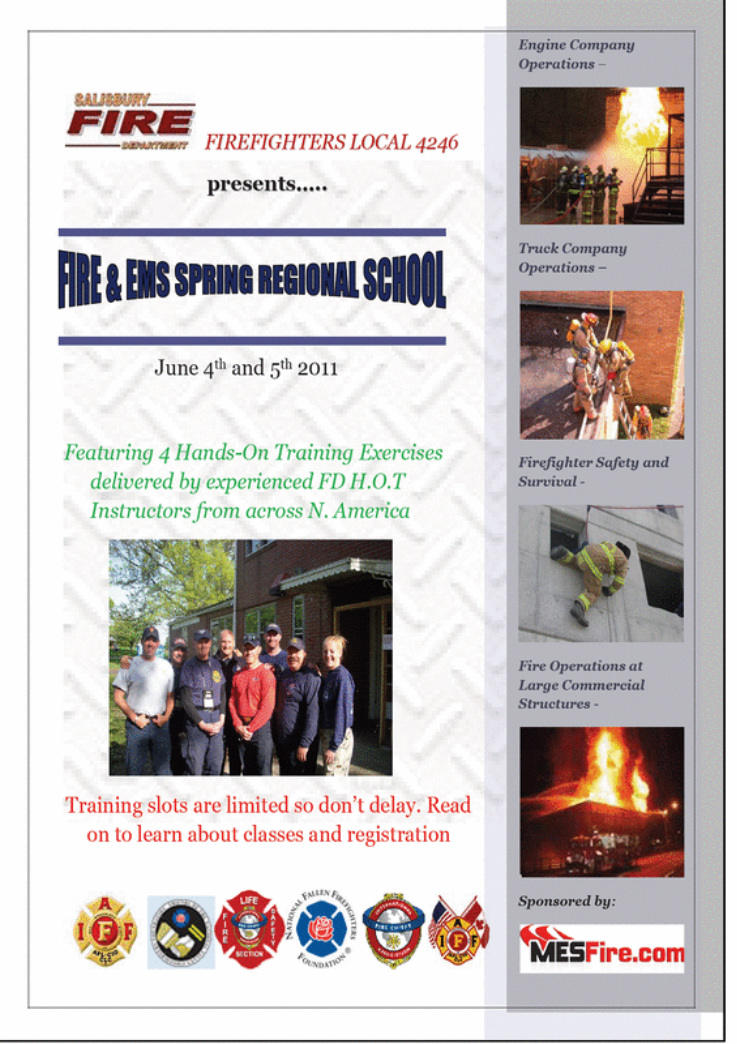
Inaugural Regional Fire School featuring Hands-On-Training - Check out this great chance to train!!!
Strike The Box Training is again attending the FDIC Conference in Indianapolis. We're looking forward to a great week of training and brotherhood with our friends, colleagues, and fellow instructors.

LOOK FOR US THROUGHOUT THE WEEK AND AT THE FOLLOWING PLACES AND GATHERINGS:
MONDAY MARCH 21 - BUCCA DI BEPPO
TUESDAY MARCH 22 - ST ELMO
WEDNESDAY MARCH 23 - INDY METRO FOOLS - RALLY IN THE ALLEY
THURSDAY MARCH 24 - NATIONAL FALLEN FIREFIGHTER'S FOUNDATION - STOP, DROP & ROCK N ROLL
FRIDAY MARCH 25 - IAFF LOCAL 416 14TH ANNUAL FDIC OPEN HOUSE - 748 MASSACHUSETTS AVE
THE CLADDAGH, IKE & JONSEY'S, STEAK N SHAKE AND OTHER FINE DOWNTOWN ESTABLISHMENTS
HOPE TO SEE YOU THERE!!!
MONDAY MARCH 21 - BUCCA DI BEPPO
TUESDAY MARCH 22 - ST ELMO
WEDNESDAY MARCH 23 - INDY METRO FOOLS - RALLY IN THE ALLEY
THURSDAY MARCH 24 - NATIONAL FALLEN FIREFIGHTER'S FOUNDATION - STOP, DROP & ROCK N ROLL
FRIDAY MARCH 25 - IAFF LOCAL 416 14TH ANNUAL FDIC OPEN HOUSE - 748 MASSACHUSETTS AVE
THE CLADDAGH, IKE & JONSEY'S, STEAK N SHAKE AND OTHER FINE DOWNTOWN ESTABLISHMENTS
HOPE TO SEE YOU THERE!!!
Ocean City FOOLS - An Evening of Training & Brotherhood -
Thursday April 28th, 2011
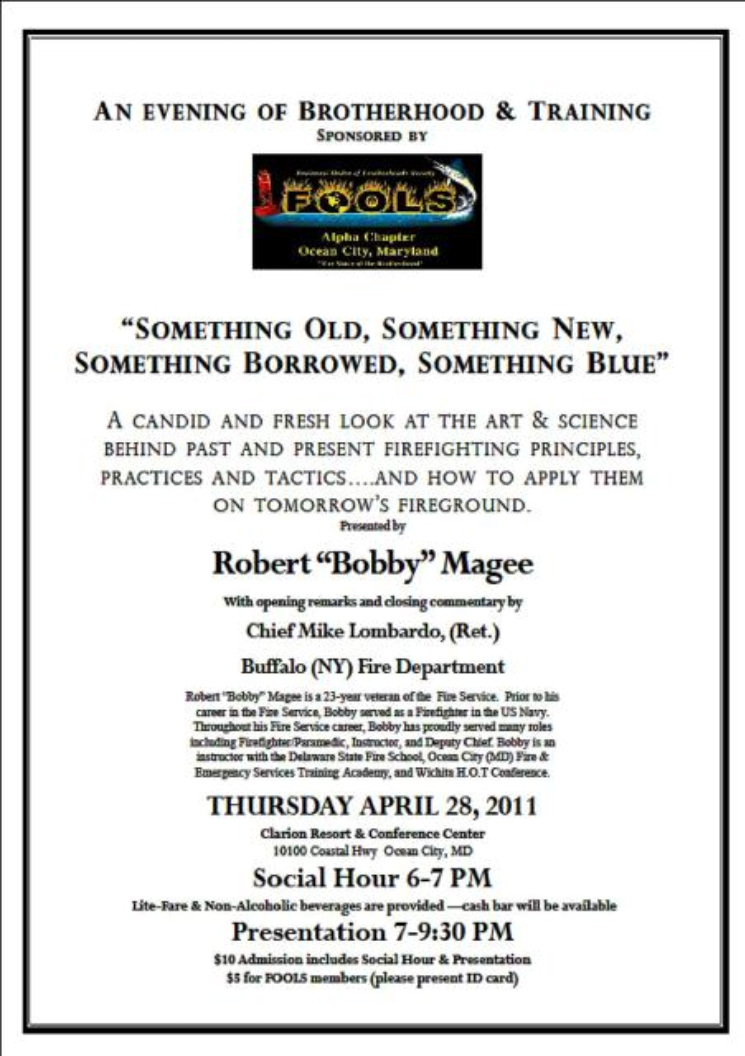
Firefighters & Officers...Don't miss out on this opportunity!!!
STBT presents NIMS ICS-300 & 400 Course - Stockton, MD 2011

Firefighters, Officers and Administrators from multiple fire service agencies will be attending a NIMS ICS-400 course this weekend in Stockton, MD. The Stockton Fire Company will be the hsoting department for this course.
LODD 1/19/2011- Baltimore County Firefighter & Fellow Instructor Mark Falkenhan made supreme sacrifice

It is with deep regret that we advise you of the Line of Duty Death of Baltimore County FF Mark Falkenhan, 43. Mark was killed this evening after becoming trapped and calling a mayday in a multi-family dwelling fire and suffering massive burns. FF Falkenhan had recently left as a career Baltimore County FF to take a position with the United States Secret Service. However, he was an active member of Baltimore County's Lutherville Volunteer Fire Company (Station 30), a part of the Baltimore County FD. Mark was also an Instructor with MFRI, the Maryland Fire & Rescue Institute. He leaves his wife and 2 children, ages 10 & 13 behind.
Join the OC FOOLS in raising money for the annual Atlantic General Hospital Penguin Swim!!!
The Ocean City FOOLS will once again be braving the frigid waters of the Atlantic to raise money for Atlantic General Hospital. In addition to again participating in this annual tradition, the OC FOOLS are proud to be an Iceberg level Sponsor of the 2011 Penguin Swim. The OC FOOLS holiday social will be combined with an awesome fundraiser to help further support this great cause for our community. We need everyone's support to sponsor those who are swimming on January 1st... So, come eat, drink and be merry at:
The Greene Turtle - North OC
Monday December 20, 2010
7-11 PM
$10 Donation = Appetizer Buffet
+
1 FREE Drink ticket
(Domestic Draft or Rail Drink)
+
Enjoy $1.50 PBR 16 oz.Drafts All Nite
Dont miss the 50/50 Raffle!
also...
Join us for the Penguin Swim on January 1st
Bull on the Beach - 94th Street
OC FOOLS - Meet at the Bull on the Beach
between 10-12 Noon
(Registration deadline at Noon)
We will fall in behind the pipers, march down to the beach and swim at 1 PM!!!
The Greene Turtle - North OC
Monday December 20, 2010
7-11 PM
$10 Donation = Appetizer Buffet
+
1 FREE Drink ticket
(Domestic Draft or Rail Drink)
+
Enjoy $1.50 PBR 16 oz.Drafts All Nite
Dont miss the 50/50 Raffle!
also...
Join us for the Penguin Swim on January 1st
Bull on the Beach - 94th Street
OC FOOLS - Meet at the Bull on the Beach
between 10-12 Noon
(Registration deadline at Noon)
We will fall in behind the pipers, march down to the beach and swim at 1 PM!!!
Firefighter Safety & Survival - September 26, 2010 - Laurel, Delaware
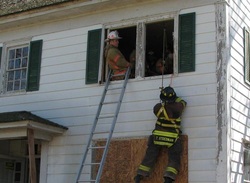
Strike The Box Training will be presenting a Hands-On-Training class on Firefighter Safety & Survival. Topics include: Self-rescue Techniques, Search methods, RIT/RIC, and Safety & Survival techniques and methods with an emphasis on how to stay out of trouble in the first place!
Thank You Wichita FD and FOOLS of OZ for an outstanding Wichita HOT 2010!
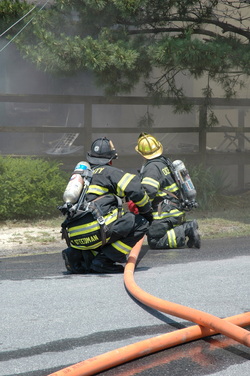
Strike The Box Training had the honor and privilege of traveling to Wichita, Kansas to share knowledge and techniques with our Mid-Western brothers. An outstanding weekend of lecture-based and Hands-On-Training is credited to the partnership between the Wichita Fire Department and the FOOLS of OZ. We were fortunate and humbled to be selected among the group of instructors from all over the country who came together for this premier training event. It was fantastic to see hundreds of career and volunteer firefighters from all over the region who gave up their valuable time to attend Wichita HOT 2010 - it truly shows their professionalism and dedication to their mission as firefighters! We hope that the participants were able to take away some valuable information from our SCBA program that will make them more proficient and keep them safe! The display of brotherhood by all was a refreshing reminder of what we're all about. The efforts of the WFD and FOOLS of OZ cannot be overstated - they truly put together a first-rate training conference - we congratulate, admire, and thank them for a job well done!
Strike The Box Training presents "SCBA Bootcamp" Lecture and Hands On Training
Wichita H.O.T. 2010
Wichita, Kansas
September 18-19, 2010
Ocean City FOOLS - Brotherhood Block Party
When: Tuesday June 15, 2010 - 1900-2300
Where: Btw Wicomico & Somerset sts on Baltimore Ave.
Wild Bill's Saloon is the event HQ with the Cork Bar & Bearded Clam as block party participants
Why: Brotherhood, live entertainment, Event T-Shirts, Pipes & Drums, auctions, and having fun for a great cause
Who: OC FOOLS are donating partial proceeds from this event to the National Fallen Firefighter's Foundation
Where: Btw Wicomico & Somerset sts on Baltimore Ave.
Wild Bill's Saloon is the event HQ with the Cork Bar & Bearded Clam as block party participants
Why: Brotherhood, live entertainment, Event T-Shirts, Pipes & Drums, auctions, and having fun for a great cause
Who: OC FOOLS are donating partial proceeds from this event to the National Fallen Firefighter's Foundation
Strike The Box Training attending FDIC

STBT will be attending the Fire Department Instructor's Conference in Indianapolis, IN April 18-24. We are looking forward to seeing old friends and meeting new ones. Please feel free to stop by and say "hi". Here's a few places we'll be:
Monday - HOT Classes
Tuesday - HOT Classes
Wednesday - Classroom Sessions
STBT Instructors Meeting - Time & Place TBA
FOOLS Brotherhood Bash
Thursday - Classroom sessions
FOOLS Leadership Meeting
NFFF Stop, Drop, Rock & Roll
Friday - IAFF Local 416 Open House - Union Hall
Looking forward to seeing you at FDIC!!! Call or email Trevor Steedman for more info.
Monday - HOT Classes
Tuesday - HOT Classes
Wednesday - Classroom Sessions
STBT Instructors Meeting - Time & Place TBA
FOOLS Brotherhood Bash
Thursday - Classroom sessions
FOOLS Leadership Meeting
NFFF Stop, Drop, Rock & Roll
Friday - IAFF Local 416 Open House - Union Hall
Looking forward to seeing you at FDIC!!! Call or email Trevor Steedman for more info.